


Table of Contents
- Why Herding Dogs Need Toys Built for Chasing
- Quick Comparison: 10 Best Toys for Herding Dogs That Chase
- 1. Herding Ball for Dogs: The 17.7" Inflatable Chase Toy
- 2. Puzzle Feeder for Mental Stimulation for Herding Breeds
- 3. Snuffle Play Ball for Foraging Enrichment
- 4. Macaron Woven Rope Toy for Tug and Impulse Control
- 5. Squeaky Latex Bunny for Prey-Drive Chasing
- 6. Foam Chew Bone for Gentle Indoor Fetch
- Safety Protocols for High-Intensity Play
- Frequently Asked Questions
Last Updated: September 13, 2026
Why Herding Dogs Need Toys Built for Chasing
Herding dogs that chase need toys that satisfy herding instincts without rewarding obsessive behavior. Breeds like Border Collies, Australian Shepherds, and Blue Heelers were developed to move livestock using eye, stalk, and chase, so a toy that lets them push, nudge, and pursue gives that drive a legitimate outlet (akc.org). Without one, the same energy often lands on bicycles, children, and shadows.
At HomeBodyPet, we hand-select and pet-test the gear we sell, which is why the picks below lean heavily on supervised, structured play rather than free-for-all chaos. The toys for herding dogs that chase hardest are rarely the flashiest ones. They are the ones that hold up to daily punishment and give your dog a job to do.
That distinction matters more than most owners realize. Chasing is not a behavior problem in these breeds. It is a job description.
Quick Comparison: 10 Best Toys for Herding Dogs That Chase
The table below summarizes every pick in this guide by price, primary play pattern, and best use case. Use it to shortlist two or three options before reading the full reviews.
| Toy | Price | Play Pattern | Best For |
|---|---|---|---|
| Herding Ball (17.7") | $34.99 | Push, nudge, chase | Outdoor high-drive play |
| Puzzle Feeder | $29.99 | Problem-solving | Mental stimulation |
| Snuffle Play Ball | $24.99 | Foraging | Calm enrichment |
| Macaron Rope Toy | $19.99 | Tug, shake | Impulse control |
| Squeaky Latex Bunny | $14.99 | Prey-drive chase | Fetch and pounce |
| Foam Chew Bone | $17.99 | Gentle fetch | Indoor and senior dogs |
1. Herding Ball for Dogs: The 17.7" Inflatable Chase Toy
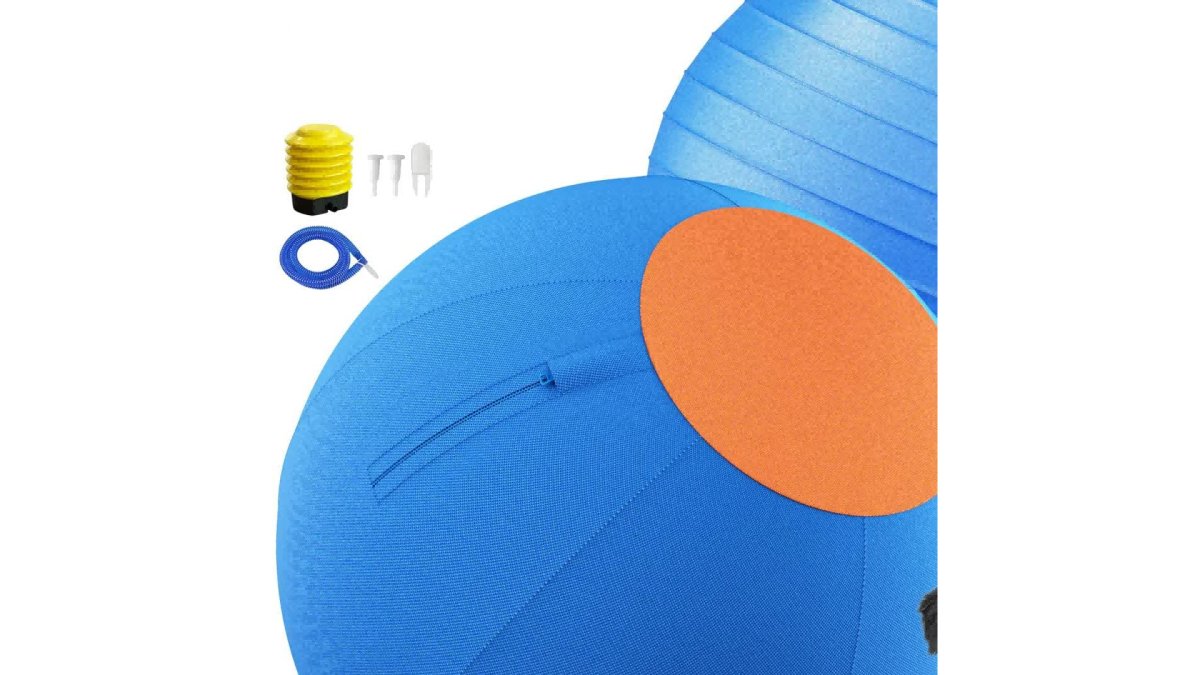
The herding ball for dogs is the closest thing to livestock work you can hand a pet in a backyard. At 17.7 inches, it is too large for most dogs to pick up, which forces them to push it with their nose and chest exactly the way they would move a sheep. That single design choice is what separates it from every tennis ball your dog has ever ignored after ten minutes.

Why the size matters
A herding ball only works if your dog cannot grab it. The moment a dog can clamp its jaws on the toy, the behavior shifts from pushing and nudging, the herding pattern, to carrying and chewing. The 17.7-inch diameter is sized for medium and large herding breeds: Border Collies, Australian Shepherds, Blue Heelers, and Rough Collies. Smaller dogs can still use it, but they will tire faster and may need a slightly smaller diameter to keep the push mechanics natural.
Pros and Cons
Pros:
- Oversized design prevents carrying, encouraging natural pushing and nudging
- Lightweight inflatable construction is easy on joints during repeated sprints
- Works in yards, parks, and open fields with supervised play
- Rolls unpredictably enough to keep a high-drive dog engaged without a handler throwing anything
Cons:
- Requires open space; not an indoor toy
- Inflatable build means sharp surfaces and unsupervised chewing will end its life early
- Some dogs need a few sessions to understand that pushing, not biting, is the game
How to Train a Dog to Herd a Ball
Start on a long line so your dog cannot self-reward by sprinting off with the ball. Roll it a short distance, let your dog push it once or twice, then call them back and reward. Repeat in short sessions of five to ten minutes.
The goal is impulse control, not exhaustion. A dog that learns to wait for your cue before chasing is a dog that will not lunge at cars. Pair the ball with a treat pouch for fast reward timing, and keep sessions supervised.
A simple progression that works for most herding breeds:
- Week one, shape the push. Roll the ball a few feet and reward any nose contact. Do not let the dog bite it.
- Week two, add the cue. Say "push" or "herd" just before you roll. Reward the push, then call your dog off after two or three reps.
- Week three, build the off-switch. Interrupt mid-chase with a recall, reward heavily, then release back to the ball. This is the step most owners skip, and it is the one that prevents obsessive behavior.
- Ongoing, vary the surface and speed. Grass, turf, and gentle slopes keep the game interesting and build different muscles.
Where it fits in your rotation
The herding ball is the physical half of a complete enrichment plan. Pair it with a puzzle feeder for mental work and a rope toy for impulse control, and you cover the three drives that make herding breeds who they are: chase, solve, and hold. Rotate the ball out of the toy bin between sessions so it stays novel, a herding ball that lives in the yard becomes furniture within a week.

2. Puzzle Feeder for Mental Stimulation for Herding Breeds
Mental stimulation for herding breeds is not optional, and a puzzle feeder delivers it in a form that doubles as dinner. Sliding compartments hide kibble, forcing your dog to think, paw, and problem-solve before eating. For a working breed, that is a fraction of the effort of a long run with most of the payoff.
The one drawback is speed. A clever Border Collie will solve a simple puzzle in under a minute the first time. Start easy, then rotate puzzles weekly to keep the challenge fresh.
3. Snuffle Play Ball for Foraging Enrichment
Foraging is the quiet half of enrichment that most owners skip. A snuffle ball hides dry treats inside fleece pockets, so your dog nuzzles and rolls it to release rewards. It is the ideal tool for rainy days when chase drive has nowhere to go.
Senior dogs and puppies both handle it well because the fabric is soft on teeth and gums. The tradeoff: it is not a chew toy, so put it away once the treats are gone.
4. Macaron Woven Rope Toy for Tug and Impulse Control
Tug-of-war gets a bad reputation it does not deserve. Played with rules, it teaches a dog to take and release on cue, which is impulse control in its purest form. This woven cotton rope is gentle on gums and doubles as a dental cleaner as the fibers work between teeth.
The rule that matters: you start the game and you end it. If your dog brings the rope and demands play, ignore it until the toy is offered on your terms. That single habit prevents the guarding behavior most tug critics warn about.
5. Squeaky Latex Bunny for Prey-Drive Chasing
Prey drive and herding instinct share the same wiring, which is why a squeaky toy that mimics prey sounds grabs a herding dog's attention instantly (PubMed). The latex bunny satisfies chasing, pouncing, and shaking without harming growing teeth, and its lightweight build makes it easy to toss indoors.
Where it falls short: soft latex is not built for power chewers. Supervise play and retire the toy at the first sign of a tear.
6. Foam Chew Bone for Gentle Indoor Fetch
Not every dog in a multi-dog household is a high-drive athlete. The foam chew bone weighs just 120 grams, making it safe for indoor throws and easy for senior dogs or puppies to carry. It is the toy you reach for when the weather keeps everyone inside.
The caveat is honest: this is a gentle-chewer toy. If your dog destroys plush toys in minutes, this is not the pick for them.
Safety Protocols for High-Intensity Play
The gap most guides leave open is what happens when play gets too intense. High-drive dogs do not self-regulate, so the owner has to. The following protocols are built around the three failure points that send herding breeds to the vet: joints, body temperature, and obsessive fixation.
Match the toy to your dog's life stage
A toy that is perfect for a two-year-old Border Collie can be wrong for both ends of the age range.
- Puppies (under 12 months): Growth plates are still open, so avoid hard stops, sharp turns, and high-impact fetch on slick floors (avma.org). Soft foam, plush, and low-bounce rollers are the right call. Keep sessions to five minutes and stop before the puppy flops down on its own.
- Adults (1-7 years): This is where the oversized herding ball, tug rope, and puzzle feeder earn their keep. Adults can handle 15-20 minute chase sessions, but they still need a warm-up and a cool-down.
- Seniors (7+ years): Arthritis and vision changes make unpredictable toys a hazard. Switch to foam chew bones, snuffle balls, and food puzzles that keep the brain working without loading the joints. A senior herding dog still wants the job, it just needs a lower-impact version of it.
Protect joints and body temperature
- Warm up with a slow leash walk before any sprint work, and cool down with a sniff walk afterward. Cold muscles tear.
- Play on grass or turf, not concrete or hardwood. Repeated sprint-and-brake cycles on hard surfaces are a common cause of soft-tissue injury in herding breeds.
- Cap chase sessions at 15 to 20 minutes in mild weather, and cut that in half when the heat index climbs. Brachycephalic breeds are not the only ones at risk, a double-coated Australian Shepherd sprinting in summer heat can overheat fast.
- Offer water every 10 minutes, and stop immediately if you see heavy panting that does not slow down, brick-red gums, or a dog that lies down and refuses to move. Those are heat-stress signals, not stubbornness.
Build an off-switch, not just a chase drive
Redirecting obsessive chasing behaviors starts here. If your dog stares at the ball between throws, spins at the gate, or refuses to disengage, the toy is doing too much of the work. Shorten sessions and build in more waiting.
- End every session on a calm behavior, a sit, a down, or a hand touch, not on a sprint. The last thing your dog rehearses is the thing it remembers.
- Use a long line so you can interrupt fixation without chasing your dog around the yard.
- Put the toy away when play is over. A toy that lives on the floor is a toy your dog can obsess over all day.
- Watch for over-stimulation signals: frantic spinning, ignoring cues, whale eye, or a dog that cannot take a treat. When you see them, the session is already over.
Choose materials you can trust
Herding dogs mouth toys constantly, so material matters as much as shape. Look for non-toxic, pet-safe materials, natural rubber, food-grade silicone, undyed cotton rope, and recycled fleece are the common safe picks. Avoid toys with strong chemical odors, flaking paint, or loose squeakers. If a toy smells like a tire fire, it does not belong in your dog's mouth.

Inspect every toy before every session. A puncture in an inflatable, a frayed rope end, or a split seam is a retirement notice, not a repair project.
Frequently Asked Questions
What kind of toys are best for herding breeds?
Herding breeds do best with toys that let them chase, push, and problem-solve. A herding ball for dogs, like the 17.7-inch inflatable option, encourages natural chasing and nudge behavior. Puzzle feeders and snuffle balls provide mental stimulation for herding breeds, while tug ropes and squeaky toys satisfy prey drive. Rotate toys weekly to prevent boredom and always supervise play.
How do I satisfy my dog's herding instinct safely?
Channel herding instincts into appropriate outlets like a large herding ball or a flirt pole. Use a long line leash in open areas to keep your dog safe while chasing. Set clear start and stop cues, and keep sessions under 20 minutes to avoid over-stimulation. Redirect obsessive chasing of cars or bikes by teaching a solid 'leave it' and offering a toy alternative.
Are herding balls safe for all dogs?
Herding balls are safe for most dogs, but size and material matter. The 17.7-inch inflatable ball is too large for tiny breeds to push comfortably, and it is not a chew toy. Always supervise play, check for punctures, and choose a durable rubber or hard plastic ball if your dog is a strong chewer. Avoid balls small enough to be swallowed.
How can I stop my dog from chasing cars or bikes?
Redirect the chase drive with a toy that mimics moving prey, like a squeaky latex bunny or a herding ball. Practice obedience cues such as 'leave it' and 'watch me' during walks, and reward focus with treats from a silicone pouch. For high-energy moments, use a no-pull harness for control and a long line for safe practice in open spaces.
Do herding dogs need specific mental stimulation?
Yes. Herding breeds are problem-solvers that get bored quickly. Puzzle feeders and snuffle balls provide the mental stimulation for herding breeds that prevents destructive chewing and barking. A 10-minute puzzle session can tire a dog as much as a 45-minute run. Rotate enrichment toys and pair them with physical exercise for a balanced routine.
Herding dogs that chase are not misbehaving. They are doing exactly what generations of breeding built them to do, and the wrong toy turns that instinct into a problem. HomeBodyPet hand-selects and pet-tests every product we carry, from our 17.7-inch herding ball to our puzzle feeder and long line leash, so you get gear that survives real dogs rather than a shelf display. Get started with HomeBodyPet and give your working breed a job it can actually finish.


